Quick answer: Gamblers Anonymous is a peer fellowship for people who want to stop gambling. GA offers in-person, virtual and telephone meetings, with no membership fees. Its recovery program uses 12 steps and spiritual language. You can ask about listening at your first meeting, and use GA alongside professional treatment.
Getting help
Gamblers Anonymous: Meetings and Your First Visit
By QuitBet Addiction Research Team · Updated · 8 min read
On this page
- What is Gamblers Anonymous?
- What happens at your first GA meeting?
- How do you find online or local meetings?
- What do open and closed GA meetings mean?
- Do you need to believe in God to attend GA?
- What are the Gamblers Anonymous 20 questions?
- Does Gamblers Anonymous work?
- How can you prepare for a first meeting?
- What can you use between meetings?
- What if GA is not a good fit?
- FAQ
Start with one question: "Is this meeting suitable for someone coming for the first time?" You do not need a polished explanation of every bet. Use the official GA meeting finder for current listings.
What is Gamblers Anonymous?
Gamblers Anonymous is mutual support between people who share a gambling problem and want to stop. GA's membership guidance does not require a diagnosis or a minimum amount lost. It states that there are no membership dues or fees; members support the fellowship through contributions.
Meetings offer peer support; professional care can assess your needs and provide gambling-specific treatment. See our comparison of GA, therapy and residential treatment when choosing support.
What happens at your first GA meeting?
Your first meeting may include readings, shared experiences and newcomer introductions. GA's Group Handbook describes different formats and says newcomers should not be pressured to participate before they feel comfortable.
You may hear members call sharing "therapy." That is the fellowship's terminology for talking about experiences; it does not make the meeting clinical psychotherapy.
The handbook also discusses sponsorship: support from a fellow member with the GA program. Ask what sponsorship involves before agreeing to contact arrangements.
You can prepare a sentence such as: "I want to stop gambling. Today I would prefer to listen." If something is unclear, ask the chairperson privately before or after the meeting.
How do you find online or local meetings?
Use GA's official directories, then confirm the details of the meeting you choose. The US in-person directory lets you search by city and state, or by ZIP code and radius.
For Gamblers Anonymous online meetings, use the virtual meeting directory. GA says you can attend virtual meetings listed in other states; check the time zone before adding one to your calendar. Read the listing for its video platform, joining instructions and meeting type instead of assuming every group uses Zoom.
There is also an official telephone meeting directory. Choose the format you can actually attend, considering transport, work, hearing needs and privacy at home.
Before leaving or joining, check the address or link, day, time and contact instructions. If the room or link is unavailable, use a second official listing or contact the organizer.
What do open and closed GA meetings mean?
Meeting types describe who may attend, rather than whether the group is accepting newcomers. GA's directory definitions distinguish these types:
| Listing | Who the meeting is for |
|---|---|
| Closed | People with a gambling problem, or who think they may have one, who want to stop |
| Open | People attending for their gambling, with spouses, family and friends welcome to observe |
| Modified closed | A closed format where the group may allow specified other attendees |
If you want a partner or friend to come, contact the group first. Do not assume a support person can join a closed meeting or speak at an open one. For their own support, family and friends can look at Gam-Anon, a separate fellowship for people affected by someone else's gambling.
Do you need to believe in God to attend GA?
GA does not make a particular religious belief a membership condition, but its program does use spiritual language. Its questions and answers say members include atheists and agnostics and can interpret spiritual principles for themselves.
The GA recovery steps refer to a higher power, God, prayer and meditation. They also address acknowledging gambling's effects, examining behavior and finances, making amends safely, and continuing personal reflection. This is a description, rather than a replacement for GA's own text.
If that language concerns you, ask: "How does this group approach the steps for someone who is not religious?" Read the program before attending to decide whether its approach fits you.
What are the Gamblers Anonymous 20 questions?
The GA 20 questions are a reflection list about gambling's effects on your life, not a medical diagnosis. Read the original questions on GA's website; they cover areas such as gambling's impact on responsibilities, relationships and control over betting.
Use the list to prepare one concern. Ask the organizer how it is used with newcomers. You do not need a particular score to take harm seriously or request a clinical assessment.
Does Gamblers Anonymous work?
GA may be a useful source of support, but research does not establish one reliable success rate for everyone who attends. A 2016 scoping review by Schuler and colleagues examined 17 studies reported in 25 publications from 2002 to 2015 and found inconsistent evidence of effectiveness. Many studies were observational; people who keep attending can differ from people who leave.
The UK's 2025 NICE gambling-harm guideline recommends offering peer support to people who want it as part of support and treatment. It separately recommends gambling-specific CBT. That supports making room for peers in care; it does not prove that GA alone is sufficient or guarantee an individual outcome.
If you keep gambling despite meetings, or your distress is worsening, speak with a licensed clinician about gambling-specific treatment. Asking for more care does not require giving up a group that you find helpful.
How can you prepare for a first meeting?
Choose one meeting, confirm how to attend, and prepare a backup.
- Pick a format and a time you can manage. Save the official listing and put the appointment in your calendar.
- Ask about newcomer participation. Include any language, access or camera needs and whether a support person may attend.
- Choose a private setting for a remote meeting. Check your display name, who can hear you, and what is visible behind you. Ask about the group's privacy and recording rules.
- Prepare one sentence and one question. You can describe what keeps happening without recounting each wager or sharing account details.
- Plan the time immediately afterward. Arrange a meal, a walk or a call with a safe person. Keep a second support route available if the meeting falls through.
Copy these prompts into a private note or write them on paper:
- My meeting, date, time and time zone: ____________________
- Joining link or address, and organizer contact: ____________________
- What I want to ask before attending: ____________________
- My opening sentence, if I choose to speak: ____________________
- My plan afterward and backup contact: ____________________
You can also read this guide in Google Docs and copy the meeting prompts into your own note.
Example: "I keep opening betting apps after work. Can I listen at my first meeting?" After the meeting, eat the dinner you prepared and ask a safe friend whether they are available for a check-in tomorrow.
Afterward, note whether you felt respected. If the format did not fit, ask about another group or support option. You do not have to stay with an approach that feels unsafe.
What can you use between meetings?
Keep your access protections and urge response ready between contacts. A meeting appointment does not close betting accounts or protect an uncovered device. Our guide to stopping gambling helps you plan those actions, and the blocker comparison explains different device options.
Use the free personal urge plan to save a safer action and a support contact. If you need a pause now, the gambling urge timer provides a guided exercise. Neither is clinical treatment or a promise that an urge will disappear.
The free recovery book has exercises for finding reachable support in step 12 and asking for gambling-specific treatment in step 16. Use the workbook's weekly review to record what you actually tried and what needs changing.
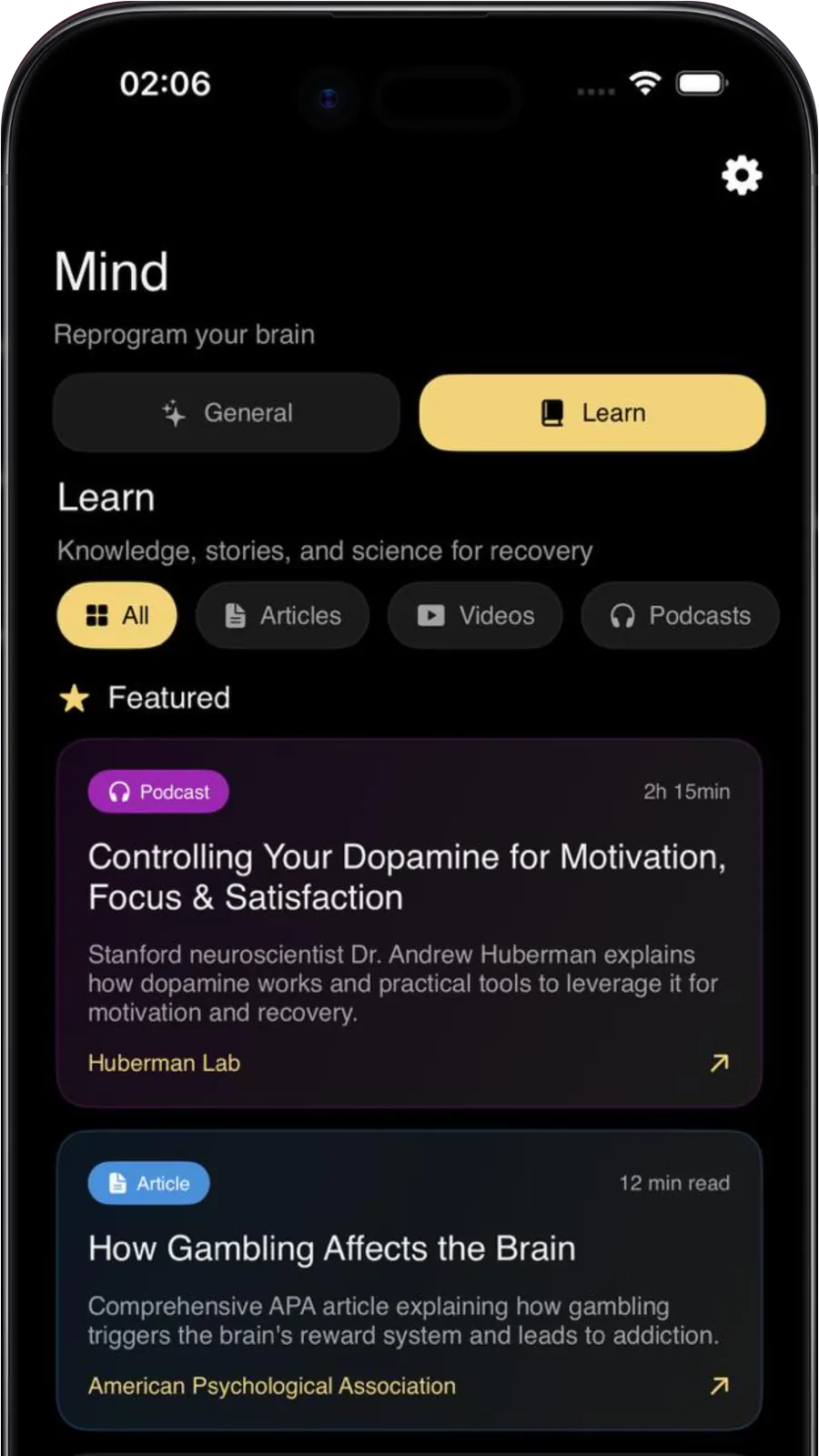
QuitBet is an iPhone app with gambling blocking, daily check-ins, urge tools and recovery education. It can sit alongside meetings and professional care. QuitBet is Free to start; you can also use the paper resources without buying the app.
What if GA is not a good fit?
You can choose another support approach and still ask for treatment. SMART Recovery offers an alternative to 12-step programs, with tools for motivation, urges, problem-solving and everyday routines. Check its meeting finder for current formats and whether a meeting suits gambling-related concerns.
For individual help, ask a licensed clinician about gambling-specific CBT and remote appointments. The NCPG help directory can help you find local resources. Your choice can reflect your access needs, beliefs and the type of help you want.
FAQ
Is Gamblers Anonymous free?
GA states that membership has no dues or fees. Member contributions support groups voluntarily. Transport, internet access or literature may involve separate expenses; ask about anything you would need to pay for.
Can I attend if I gambled today?
GA's stated membership condition is wanting to stop gambling. You do not need to demonstrate a completed period of abstinence before asking to attend. Check the listing and contact the organizer if you are unsure about a particular meeting.
Can I listen without sharing at my first meeting?
GA's Group Handbook says newcomers should not be pushed into participation before they are comfortable. Tell the chairperson you would prefer to listen and ask how the group handles introductions. Local formats can differ.
Where can I find GA Zoom meetings?
Use GA's official virtual meeting directory and read each listing's joining instructions. Some groups use platforms other than Zoom. Confirm the time zone and current link before joining.
Can my partner come with me?
Open meetings welcome spouses, family and friends as observers. Closed meetings are for people seeking help for their own gambling. Contact the organizer first; Gam-Anon offers a separate support route for loved ones.
Do the GA 20 questions diagnose gambling disorder?
No. They can help you reflect on harm and prepare to talk, but they do not replace a clinical assessment. You can seek help without reaching a particular score.
Can I use GA and therapy together?
Yes, peer support and professional treatment can be part of the same care plan. Ask your clinician what treatment and follow-up fit your circumstances. Seek more care if gambling continues or distress grows.
Need to talk to someone right now? In the US, call or text 1-800-MY-RESET (1-800-697-3738), or chat online, to reach the National Problem Gambling Helpline. It's free and confidential, and it's open 24/7. For thoughts of suicide or a mental health crisis, call or text 988 (988 Suicide & Crisis Lifeline). If you cannot stay safe, seek immediate emergency help rather than waiting for a meeting.
The QuitBet app
Keep your daily plan close
QuitBet for iPhone brings your quit plan, check-ins, gambling blocking and urge tools together.
- A panic button for the moment an urge hits
- Daily check-ins, streaks and money saved
- A blocker for gambling apps and websites
- A community of people quitting too
Download on the App Store
On a computer?Scan with your iPhone camera to get QuitBet.
Rated 4.4 on the App StoreFree to start on iPhone.